
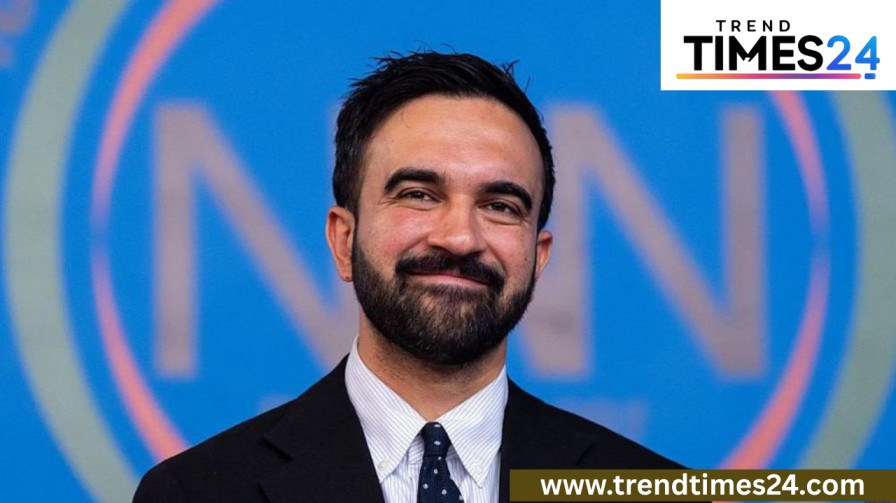
Zohran Mamdani Wins New York City Mayoral Election: A Mandate for Change
Zohran Mamdani has officially won the New York City mayoral election. His victory marks a historic shift in the city’s political direction. It also signals a strong call from voters for fairness, accountability, and new ideas. For many New Yorkers, this election was not just about choosing a leader. It was about demanding change.
A Leader Shaped by Grassroots Activism
Mamdani’s campaign started small but grew into a powerful grassroots movement. His message of equity, transparency, and affordable living connected with people across all five boroughs. Known for his work in housing reform and workers’ rights, Mamdani built his career on fighting for everyday citizens. That reputation gave his campaign authenticity and energy.
Support poured in from young voters, working families, and small businesses. Volunteers knocked on doors, hosted community meetings, and spread his message through social media. The enthusiasm surrounding his candidacy reflected frustration with the city’s growing inequality. By election night, it was clear that New Yorkers were ready for something different.
The Election Results: A Clear Signal for Change
When the final votes were counted, Mamdani won by a comfortable margin. He carried key neighborhoods across Queens, Brooklyn, and the Bronx. Analysts say his campaign’s focus on listening to communities, not corporations, made the difference. The victory was decisive enough to be called a “mandate for change” by political observers.
Turnout was strong, particularly among first-time and younger voters. Many felt inspired by Mamdani’s promise to make New York City a more inclusive place. His call to action—“A city that works for all”—became the rallying cry of the election.
Policies That Define His Vision
Now, as the incoming mayor, Zohran Mamdani has laid out an ambitious plan for his first 100 days in office. His focus will be on housing, public transportation, education, and sustainability. He plans to expand affordable housing projects and increase support for renters. His administration will also prioritize modernizing public transit to make commuting faster and more reliable.
Mamdani wants to create more opportunities for small businesses and working-class families. He has promised to promote green jobs and invest in renewable energy to fight climate change. Education reform is another key priority, with plans to improve school funding and expand after-school programs.
His vision centers on one principle: government should serve people first. By emphasizing transparency and collaboration, he hopes to rebuild public trust in city leadership.
Reaction from New Yorkers
After the results were announced, celebrations broke out across the city. Supporters gathered in public parks and community halls, waving signs that read “Mandate for Change.” The mood was joyful but determined. Many saw the victory as the beginning of a new political era.
Residents from diverse backgrounds shared their optimism. A teacher from Brooklyn said, “Mamdani understands our challenges. He listens, and that makes all the difference.” A small business owner in Queens added, “We finally have a mayor who stands with us, not above us.”
Even some critics acknowledged that his message resonated across party lines. Political commentators noted that Mamdani’s inclusive tone and pragmatic vision helped bridge divisions in a city known for its political complexity.
National and Global Reactions
Nationally, Mamdani’s win drew attention from leaders and activists across the United States. Many described his victory as a model for grassroots-driven change in major urban centers. His success may inspire other cities to pursue more inclusive and transparent governance.
Internationally, his Indian heritage became a point of pride for millions. Indian news outlets hailed his victory as a milestone for representation and global diversity. On social media, many young Indians celebrated his success as proof that politics can still be powered by integrity and empathy.
India’s Context and Global Connection
Zohran Mamdani’s journey from community organizer to mayor reflects the growing influence of Indian-origin leaders abroad. In India, politicians, scholars, and citizens alike praised his commitment to equity and progress. His story demonstrates that shared democratic values can connect people across borders.
For the Indian diaspora, Mamdani’s success is deeply personal. It highlights how cultural identity and civic responsibility can coexist in modern leadership. His approach to politics—grounded in listening and empathy—has drawn comparisons to emerging reform movements within India.
Challenges Ahead
Despite the excitement, Mamdani faces enormous challenges. New York City continues to grapple with housing shortages, public safety concerns, and economic inequality. Managing these issues while maintaining public trust will require skill and collaboration.
City analysts predict that his biggest test will come from balancing idealism with the realities of governance. He must navigate bureaucracy, opposition, and budget constraints without compromising his principles. Early success in his housing and transit reforms could strengthen his political base and set the tone for his term.
Mamdani’s supporters remain optimistic. They believe his ability to unite people from different backgrounds will help him succeed. His leadership style, focused on teamwork and accountability, has already inspired confidence among community groups and advocacy organizations.
A Promise for the Future
Zohran Mamdani’s victory is more than a political achievement. It represents a movement built on compassion, fairness, and determination. His message resonates with anyone who believes that cities should belong to the people who live in them.
As he prepares to take office, Mamdani’s challenge will be to turn words into action. The expectations are high, but his supporters believe he can deliver. His story proves that with courage and community, even the largest city in America can be reimagined.
Zohran Mamdani’s journey shows that integrity and inclusion can still win in modern democracy. For New York City, his election is more than a victory—it is a new beginning and a true mandate for change.