
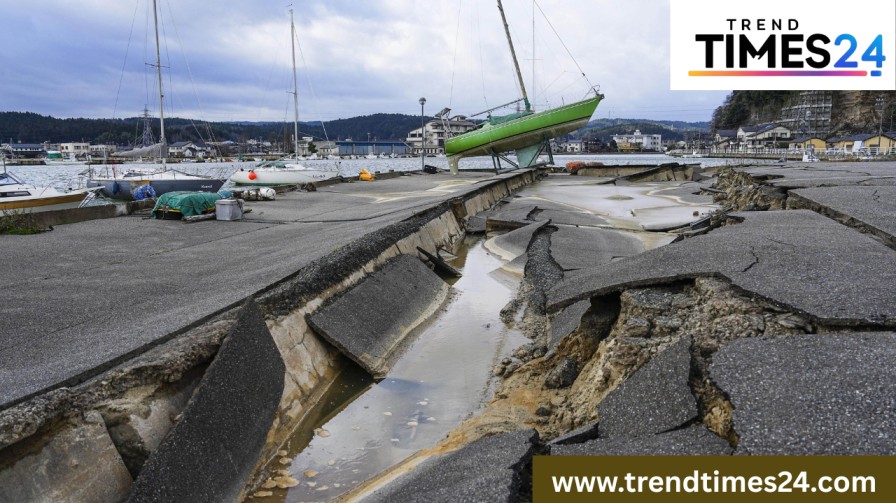
Japan is one of the most earthquake prone nations in the world, and its location on the Ring of Fire makes seismic activity a normal part of everyday life. Earthquakes are not rare incidents in the country. They are routine and often expected. Understanding why they occur so frequently in Japan is important not only for awareness but also for safety and preparedness.
Japan sits at the meeting point of four major tectonic plates. These plates constantly move and collide, creating tremendous pressure beneath the Earth’s surface. When this pressure releases, the ground shakes, leading to an earthquake. This unique geological setting is the main reason behind the high frequency of tremors in the region.
Throughout its history, Japan has experienced many powerful earthquakes that have reshaped cities, landscapes, and even national policies. Some earthquakes have caused widespread destruction, while others have triggered tsunamis that led to further damage. Because of these repeated events, Japan has developed one of the most advanced disaster preparedness systems in the world. The country does not wait for danger. It prepares for it long before it arrives.
Modern Japan uses advanced technology to detect seismic activity at very early stages. The Earthquake Early Warning System is one of the most effective tools ever developed. It sends alerts to phones, televisions, trains, and emergency centers within seconds of detecting unusual ground motion. Although these alerts cannot stop an earthquake, they can give people a few valuable seconds to take protective action. These moments often make the difference between safety and risk.
Japan has also invested heavily in earthquake resistant infrastructure. Buildings in major cities like Tokyo and Osaka are designed to sway safely instead of collapsing. Engineers use flexible materials, strong foundations, and vibration control mechanisms to reduce the impact of shaking. Because of these engineering solutions, many earthquakes that would have caused massive destruction in other countries result in minimal damage in Japan.
The role of education in Japan’s preparedness is also crucial. From a young age, children learn how to respond during earthquakes. Schools conduct regular drills and teach students how to stay calm and protect themselves. Adults also take part in community programs that help them understand evacuation routes and emergency procedures. These efforts create a culture of readiness that saves lives during real emergencies.
While Japan has faced some tragic events, including major earthquakes that caused significant loss of life, the nation has always focused on recovery and resilience. After each disaster, the government and communities come together to rebuild stronger than before. This commitment to improvement is one of the reasons Japan remains a global leader in disaster management.
Another important aspect of Japan’s earthquake story is the connection between earthquakes and tsunamis. When a strong underwater earthquake occurs, it can push large volumes of water and create powerful waves. These waves can travel long distances and cause severe coastal flooding. Japan has developed extensive sea walls, tsunami sensors, and evacuation plans to protect coastal communities. The goal is not only to warn people but also to move them to higher ground as quickly as possible.
Scientists continue to study Japan’s seismic activity to better understand future risks. Although it is not possible to predict the exact time or place of an earthquake, data shows patterns in plate movement and fault lines. This information helps researchers assess the likelihood of major events. Their work supports government planning and public awareness campaigns, ensuring that the population remains informed and prepared.
The economic impact of earthquakes in Japan is also significant. Damage to buildings, transportation, and industries can cost billions. However, the country invests in resilience to reduce these losses. Stronger infrastructure means fewer repairs and faster recovery. Businesses also create emergency plans to maintain operations even after a major quake. These strategies protect both the economy and the livelihood of citizens.
Tourists visiting Japan often worry about earthquakes. The good news is that safety systems are designed not only for residents but also for international visitors. Hotels follow strict building codes and provide emergency instructions. Public transportation is equipped with automatic stopping systems that activate during tremors. Visitors are encouraged to stay informed but remain confident in the country’s advanced safety measures.
In the future, Japan plans to strengthen its preparedness even more. Research will focus on improving prediction technology and enhancing building structures. Communities will continue to practice drills and update evacuation plans. As climate and geological conditions evolve, Japan aims to stay one step ahead by using science, innovation, and public cooperation.
Japan’s story is not only about earthquakes but about resilience, discipline, and preparation. The country’s ability to transform natural challenges into opportunities for advancement is a powerful example for the world. Earthquakes will continue to occur, but Japan’s commitment to safety ensures that its people remain protected and informed. Through science, engineering, and community awareness, Japan shows that even the most powerful natural forces can be faced with strength and readiness.