
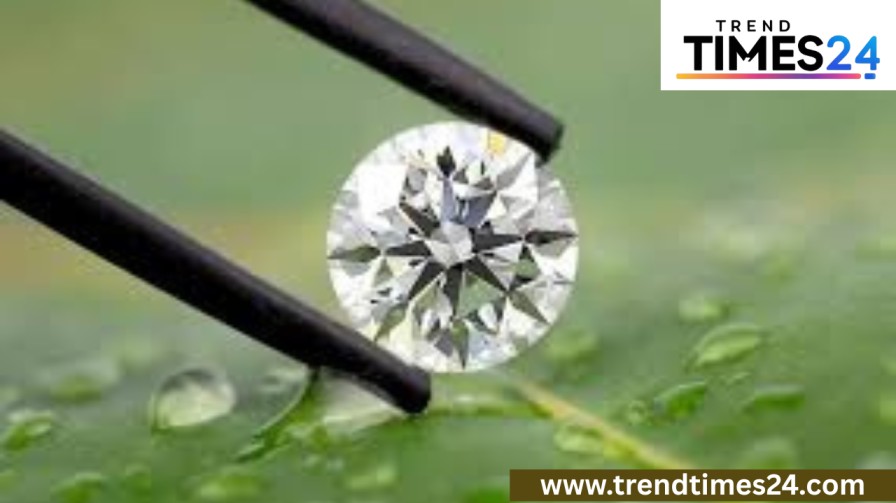
Lab grown diamonds have become one of the most popular choices in modern jewelry. Their rise in demand comes from their beauty, affordability, purity and ethical advantages. Many people are turning to lab grown diamonds because they offer the same appearance and brilliance as natural diamonds without the high environmental or ethical concerns. Understanding how these diamonds are made, what makes them valuable and how they compare to natural diamonds helps buyers make confident decisions.
A lab grown diamond is a real diamond created under controlled conditions inside a laboratory. It is not fake, synthetic or imitation. It has the same carbon crystal structure, hardness, fire, brilliance, durability and sparkle as a natural diamond. The only difference is the place of origin. Natural diamonds form deep inside the earth over millions of years, while lab grown diamonds form in high-technology facilities using specialized processes. This controlled growth allows precise monitoring of clarity, color, and cut quality.
There are two primary methods used to create lab grown diamonds. The first is High Pressure High Temperature, where extreme pressure and heat allow carbon atoms to bond into crystal form. The second method is Chemical Vapor Deposition, where carbon rich gas layers build diamond structures on a seed. Both methods create genuine diamonds that pass professional testing and certification. Jewelers and gemologists recognize lab grown diamonds as authentic and grade them using the same standards as natural diamonds.
One major advantage of lab grown diamonds is cost. They are far more affordable than natural diamonds of similar size and quality. This price difference exists because lab grown diamonds do not require mining, transportation or extensive extraction labor. Buyers can afford larger or better quality stones at a lower price. This makes lab grown diamonds an attractive choice for engagement rings, wedding jewelry and luxury gifts.
Another benefit is environmental sustainability. Traditional diamond mining affects land, water and natural habitats. Lab grown diamonds eliminate the need for extraction and reduce ecological impact. People who prefer conscious and eco friendly choices often choose lab grown diamonds because they align with ethical standards. The diamonds are conflict free, meaning they are not linked to harmful mining practices or unsafe working conditions.
When comparing lab grown and natural diamonds, the physical and optical qualities are identical. Both diamonds score ten on the Mohs hardness scale, making them incredibly durable and scratch resistant. Both types display brilliance, fire and sparkle when cut well. Gemological laboratories such as the International Gemological Institute and the Gemological Institute of America provide grading certificates for lab grown diamonds. These certificates outline the color, clarity, carat weight and cut grade.
Some people wonder whether lab grown diamonds hold value. The value of any diamond depends on quality, market demand and consumer preference. Natural diamonds carry value based on rarity. Lab grown diamonds offer value based on accessibility and ethical appeal. While lab grown diamonds may not appreciate in value the same way rare natural diamonds might, they offer tremendous practical value in beauty, durability and affordability. Many buyers prioritise these qualities over resale expectations.
Choosing the right lab grown diamond requires understanding diamond characteristics. Color ranges from colorless to light yellow. Clarity measures internal and external marks. Cut determines how well a diamond reflects light. Carat measures size. Buyers can choose based on preference, budget and design. Because lab grown diamonds are budget friendly, customers often select higher clarity or larger stones without overspending.
Lab grown diamonds come in various shapes. Round diamonds offer maximum brilliance. Princess and cushion cuts give a modern look. Oval, pear and emerald cuts create elegance and unique style. The choice of shape depends on personal taste and use. Many engagement rings now feature lab grown diamonds because they look stunning and symbolise modern love based on transparency and responsibility.
Care and maintenance for lab grown diamonds are the same as natural diamonds. Cleaning them regularly with mild soap and warm water keeps them shining. They can be worn daily and withstand regular activities. Their durability makes them suitable for rings, necklaces, earrings, bracelets and custom fine jewelry.
The popularity of lab grown diamonds continues to grow as more people learn about their benefits. Modern technology keeps improving their quality and availability. Designers and jewelers are offering new collections tailored to lab diamond buyers. These diamonds represent a shift in how people view luxury and sustainability. They have become symbols of smart choices, conscious consumption and modern elegance.
Final Thought
Lab grown diamonds provide beauty, clarity, and brilliance without compromise. They offer environmental responsibility, affordability, and luxury all in one. Whether someone wants a stunning engagement ring, a timeless necklace or a meaningful gift, lab grown diamonds are a powerful choice. They reflect innovation, ethics and modern style while delivering the sparkle and strength of a real diamond. For beginners and experienced buyers alike, lab grown diamonds open a new world of luxury that is accessible, responsible and breathtaking.