
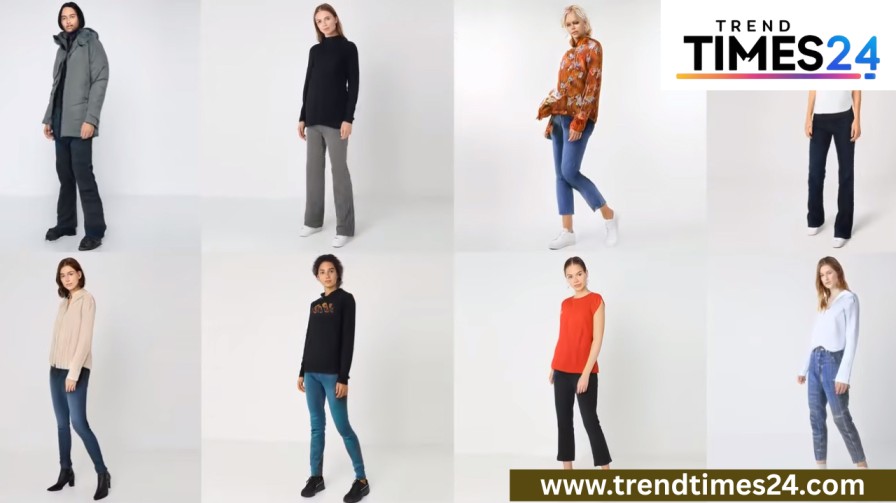
AI fashion model photos are becoming one of the most relatable and creative trends in digital fashion. People across social media, creative studios and online portfolios are using AI generated models to express style, design, emotion and individuality. These photos are modern, aesthetic and highly customizable, making them perfect for fashion inspiration, branding, personal expression and visual storytelling.
AI fashion model photos work by using advanced image generation tools that can create realistic models with unique features, skin textures, poses, outfits and backgrounds. Instead of waiting for professional shoots or hiring models, AI allows users to create fashion visuals in seconds. This shift has made fashion more accessible, more creative and more inclusive.
Relatable AI fashion models differ from standard AI models because they feel familiar, natural and humanlike. They represent real moods, real expressions and everyday style. These models are not perfect digital mannequins but thoughtful reflections of realistic fashion energy. Their expressions, poses and outfits can be tailored to casual looks, streetwear, editorial concepts, soft aesthetics and bold fashion themes.
Step 1 Understanding What Makes AI Fashion Photos Relatable
Relatability comes from realism. A relatable AI fashion model looks expressive, natural and connected to human emotion. Instead of stiff poses or exaggerated designs, relatable visuals highlight personality. Small details like soft eye contact, relaxed posture, natural lighting and everyday fashion choices make the image feel real and emotionally connected.
Step 2 Choosing the Right Aesthetic
AI fashion photos cover many aesthetics. You can create minimalist streetwear, high fashion editorial looks, soft vintage themes, luxury aesthetics or sporty casual vibes. The aesthetic defines the mood of the photo. Beginners should choose one style per image to maintain clarity and emotional impact.
Step 3 Creating Realistic Facial Expressions
AI models become more relatable when they express emotion. Subtle smiles, gentle confidence, calm eyes or soft moods make the image feel human. Avoid exaggerated or unnatural expressions because they reduce authenticity. Natural expressions enhance trust and visual connection.
Step 4 Selecting the Right Outfits
Fashion is the heart of AI model photos. Choosing outfits that match the theme creates a coherent image. Oversized hoodies, denim jackets, classic streetwear, modern chic outfits, saree blends, ethnic fusion, monochrome styles or futuristic fits all help define the identity of the model. Outfits should be clean, sharp and visually balanced to feel authentic.
Step 5 Paying Attention to Lighting and Background
Lighting defines the vibe. Natural soft light creates gentle and realistic visuals. Studio lighting creates professional fashion vibes. Backgrounds must match the outfit. Streets, cafes, minimal rooms, outdoor gardens, runways or textured walls all enhance relatability. A good background helps the model feel like part of a real environment.
Step 6 Creating Diversity in Skin Tone, Body Shape and Features
One of the biggest strengths of AI fashion model photos is inclusivity. You can generate models with a wide range of skin tones, cultural features, hairstyles and fashion identities. This diversity connects with more people and creates stronger visual representation.
Step 7 Using Realistic Poses
Poses make or break the photo. Relatable poses include sitting casually, leaning on a wall, walking naturally, looking sideways, adjusting clothes or soft camera-facing shots. Overly dramatic poses can feel artificial. Natural movement gives life to the image.
Step 8 Enhancing the Fashion Details
Small fashion elements like jewelry, nails, shoes, accessories and bags add personality. These details make the outfit complete and elevate the visual story. Simple accessories often create stronger relatability than heavy styling.
Step 9 Adding Texture to the Image
Skintone highlights, fabric texture, hair strands and light reflections increase realism. AI models with fine details appear more alive. This improves aesthetic value and makes the visuals suitable for fashion branding, ads, posts and portfolios.
Step 10 Using AI Editing for Final Touches
After generating the main photo, small edits using contrast, tone, depth and color correction create a polished finish. A balanced photo feels visually satisfying and emotionally appealing.
Why AI Fashion Model Photos Are Trending
AI fashion model photos are trending because they combine creativity with convenience. Anyone can design high quality fashion imagery without needing professional gear or expensive shoots. Brands, influencers and creators use these visuals to test ideas, build mood boards, create campaigns and experiment with fashion concepts.
They are also relatable because they reflect real world style. Instead of unrealistic perfection, AI provides expressive, diverse and modern looks that resonate with daily fashion culture.
Visit here for Relatable pictures
Where You Can Use AI Fashion Model Photos
These images work across social media, blogs, fashion mood boards, advertisements, digital portfolios, brand previews, storytelling posts, profile aesthetics and visual concepts. Beginners can experiment with multiple looks, themes and moods to find a unique style identity.
Final Thought
Relatable AI fashion model photos represent the evolution of digital fashion. They blend creativity, realism and personality in one image. With expressive faces, natural poses, thoughtful styling and artistic lighting, AI generated models feel familiar and human. Whether you want to explore fashion, build a personal brand, design a concept or simply create beautiful visuals, AI fashion models give you unlimited room for imagination and originality. Creativity becomes easier, faster and more accessible for everyone.