
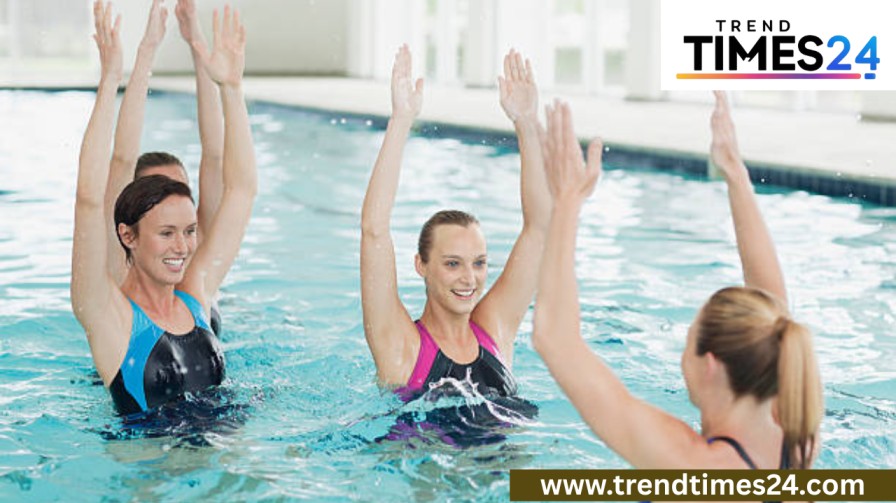
Swimming is one of the healthiest and most refreshing activities for the mind and body, and learning it as a beginner opens the door to a lifelong skill. Many people feel nervous when they first start swimming, especially if they are not comfortable in water. However, with the right guidance, patience, and practice, swimming becomes enjoyable and confidence-building. This complete guide is designed to help beginners understand the basics, improve comfort in the water, and learn simple techniques that make swimming easy and safe.
Swimming is an excellent full-body exercise because it engages the arms, legs, core, shoulders, and lungs all at the same time. It is gentle on the joints and ideal for fitness, weight loss, stamina development, and mental relaxation. Before learning techniques, beginners must focus on safety, comfort, and body awareness in the water. These foundational habits make the learning process smoother and more enjoyable.
The first step for beginners is getting comfortable being in the water. Many beginners feel fear because of unfamiliarity. Start by standing in the shallow end of a pool where you can easily touch the bottom. Allow your body to feel the water around your legs and torso. Slowly lower yourself until the water reaches your shoulders. Practice basic water familiarity by walking, sitting, and gently moving your arms in the water. This helps build comfort and reduces fear.
Breathing is one of the most important skills in swimming. Beginners often hold their breath for too long, which creates tension. To learn proper breathing, start by inhaling through your mouth above the water and gently exhaling through your nose or mouth underwater. Practice submerging your face with slow breathing until it feels natural. Breathing rhythm is essential for all swimming styles, and mastering it early makes everything easier.
Floating is the next foundational skill. Learning to float helps beginners stay calm and confident in the water. Start with back floating. Lie gently on your back, spread your arms and legs, and allow your body to rise to the surface. Keep your chest open, your hips lifted, and your head relaxed. Let the water support you without forcing movement. Floating teaches trust in the water and strengthens body alignment awareness.
Front floating is also important. Hold your breath, look downward, and gently stretch your arms and legs out. Allow your hips to rise. Beginners may feel nervous at first, but with repetition, floating becomes easy. Floating helps the body maintain balance and smooth movement during strokes.
Once breathing and floating feel comfortable, beginners can begin learning kicking techniques. Kicking provides propulsion and supports body alignment. Start by holding the pool edge or a kickboard. Keep your legs straight but not stiff and create small, fast kicks from the hips rather than the knees. Consistent kicking practice builds leg strength and improves stamina. Good kicking technique keeps the body high and reduces drag in the water.
Arm movements are the next technique. Beginners can start with the freestyle stroke. Extend one arm forward, pull it back through the water, and alternate arms in a smooth rhythm. Combine the arm movement with gentle breathing and kicking. Focus on long, relaxed arm strokes rather than fast, tiring movements. Freestyle is the most common stroke for beginners because it is simple and efficient.
Another helpful stroke for beginners is the breaststroke. This stroke has slower movements and allows the swimmer to keep their head above the water longer. The arms pull outwards in a circular motion while the legs perform a frog-like kick. The breaststroke is ideal for beginners because it is calm, controlled, and easy to learn with practice.
Safety is extremely important for all beginners. Always swim in supervised areas, preferably with a coach, friend, or lifeguard nearby. Never practice alone in deep water. Use floating equipment like kickboards or pool noodles if needed. Moving slowly and understanding your limits keeps the learning experience safe and enjoyable. Confidence grows best when safety is prioritized.
Building endurance takes time but is an important part of swimming progress. Beginners should start slowly with short swimming sessions. A few minutes of practice each day improves technique, breathing, and stamina. Over time, these sessions naturally increase, helping beginners swim longer distances with ease. Consistent practice is the key to improvement.
Relaxation is another essential part of swimming. Tension in the body increases fatigue and disrupts breathing. Learning to relax your shoulders, keep your neck soft, and glide smoothly makes swimming easier. Many beginners use too much energy trying to stay afloat, but relaxation allows the water to support the body naturally.
Swimming also builds mental strength. It reduces stress, improves mood, and promotes mindfulness. The combination of breathing, floating, and movement creates a calming rhythm that helps release tension. Regular swimming boosts confidence and provides a strong sense of accomplishment.
Beginners should also learn how to stand up safely from floating positions. When floating on the back, bring your knees toward your chest, roll to one side, and push your feet downward. This ensures smooth transitions and prevents panic. Controlled movement teaches the body how to shift between positions confidently.
With time, beginners can practice combining breathing, kicking, and arm movements into smooth strokes. Swimming requires coordination, but this coordination improves naturally with repetition. Each session builds muscle memory and confidence.
Final Thought
Swimming for beginners is a journey of learning comfort, breathing, floating, and movement. With patience, guidance, and daily practice, anyone can learn to swim safely and effectively. Swimming is not only a physical skill but also a mental and emotional strength builder. It supports health, fitness, relaxation, and confidence. Mastering the basics opens the door to lifelong enjoyment and personal growth. Every small improvement is a step toward becoming a strong, confident swimmer.
This information is for general learning purposes only. Always learn swimming under trained supervision and follow all safety guidelines. Consult a professional coach or lifeguard before practicing new techniques, especially if you are not confident in water.