
Nestlé, the world’s largest food and beverage company, has announced a major restructuring plan that will see 16,000 jobs cut worldwide over the next two years. The move marks one of the most significant cost-cutting initiatives in the company’s history and signals a new strategic direction under its recently appointed chief executive, Philipp Navratil.
A Bold Restructuring Under New Leadership
Philipp Navratil, who officially stepped into the CEO role last month, unveiled a plan to reduce costs by 3 billion Swiss francs (around $3.7 billion) by 2027. This target is a notable increase from the company’s earlier savings goal of 2.5 billion francs.
In his first major statement since taking office, Navratil emphasized the urgency of transformation, saying, “The world is changing, and Nestlé needs to change faster. This will include making hard but necessary decisions.”
The decision comes just six weeks after Nestlé dismissed its former chief executive amid internal controversies, reflecting the company’s need for stronger management and renewed investor confidence.
Automation and Efficiency Drive the Job Cuts
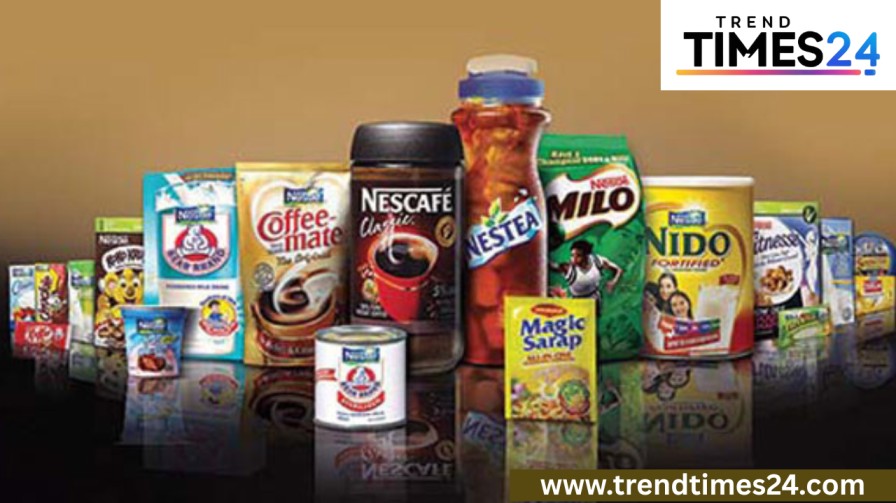
Nestlé employs around 277,000 people globally, spanning over 2,000 brands including household names like Nespresso, KitKat, Toll House, Perrier, and Purina. The upcoming reductions will mainly impact white-collar positions, with an estimated 12,000 office jobs being eliminated.
According to the company, the job cuts are part of a broader efficiency drive. Nestlé plans to increase automation, integrate digital systems, and share services across divisions to streamline operations. The company insists that these measures will allow it to remain competitive in a rapidly evolving global market while sustaining product innovation and quality.
Market Pressures and Global Challenges
Nestlé’s restructuring comes amid slowing growth, fluctuating global demand, and rising operational costs. One major pressure point has been declining demand in China, a key market for many of its products. Additionally, rising prices of raw materials—such as coffee and cocoa beans—have further squeezed profit margins.
Another significant challenge stems from U.S. trade tariffs, including a 39% tariff on Swiss goods imposed under former President Donald Trump. The United States remains Nestlé’s largest market, making these tariffs particularly impactful on profitability.
Despite these hurdles, investors reacted positively to Navratil’s announcement. Nestlé shares surged over 8% in Zurich trading on Thursday, a sign that the market supports the company’s renewed commitment to cost discipline and strategic transformation.
A Shift Toward Performance and Innovation
Industry analysts have largely welcomed Navratil’s decisive action. According to a note by Zurich-based investment firm Vontobel, the announcement signals a shift in focus from internal issues to performance, innovation, and sustainable growth.
Analysts praised Navratil’s “rigorous approach to resource allocation”, noting that prioritizing high-return businesses could help Nestlé rebuild its reputation and strengthen investor trust. The company aims to reinvest savings into innovation, product quality, and digital transformation, creating a more agile organization capable of responding to changing consumer preferences.
In recent years, consumers have increasingly moved away from highly processed foods, demanding more transparency, sustainability, and healthier alternatives. Nestlé’s renewed focus on innovation may help the company reposition its products to meet these evolving needs.
Leadership Changes and Renewed Stability
The leadership shake-up at Nestlé played a critical role in this transformation. Navratil replaced Laurent Freixe, who was dismissed after a violation of company conduct policy involving an undisclosed personal relationship. Shortly after, Chairman Paul Bulcke stepped down and was succeeded by Pablo Isla, the former chairman of fashion giant Inditex, known for its brand Zara.
These rapid leadership changes had initially created uncertainty within the company. However, Navratil’s assertive cost-cutting strategy and clear communication have helped restore confidence among employees, stakeholders, and shareholders.
Positive Outlook Despite Global Headwinds
Despite facing external pressures such as tariffs, currency fluctuations, and rising material costs, Nestlé reported a 4.3% increase in sales for the third quarter of 2025. This growth was driven by strategic pricing adjustments and stronger sales volumes across key markets.
The company also maintained its growth outlook for 2025, projecting improved sales and profitability despite global economic volatility. Navratil emphasized that Nestlé will continue to focus on its strongest product categories while expanding into high-growth markets.
Conclusion: Nestlé’s Next Chapter of Transformation
Nestlé’s decision to cut 16,000 jobs represents a bold step toward financial efficiency and long-term sustainability. Under Philipp Navratil’s leadership, the company appears committed to modernizing its operations, investing in automation, and prioritizing innovation over bureaucracy.
While the layoffs will undoubtedly have a global impact, analysts believe this transformation could reignite Nestlé’s growth trajectory, positioning it as a more agile and resilient leader in the global food industry.