
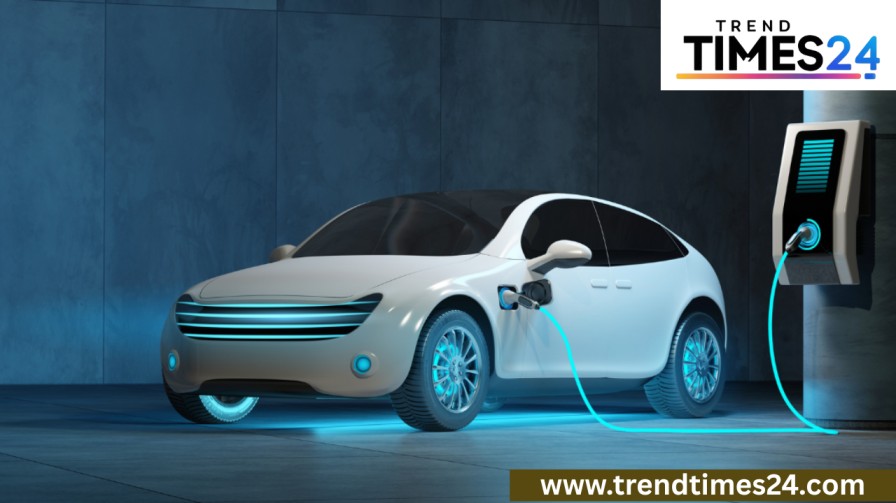
India’s transition to clean mobility has reached a defining moment. The country has officially crossed 15 million electric vehicles on the road, according to data from the Ministry of Road Transport and Highways. The milestone reflects a decade of rapid growth driven by strong government policy, private innovation, and growing environmental awareness among consumers.
In less than five years, India has transformed from an emerging EV market into one of the fastest-growing electric mobility ecosystems in the world. This achievement underscores the nation’s commitment to sustainability, energy independence, and climate action.
A Decade of Electrification
India’s electric journey began with humble beginnings. In 2015, fewer than 10,000 EVs were sold nationwide. Today, that number has multiplied dramatically. The growth accelerated after 2020 when the government introduced the Faster Adoption and Manufacturing of Electric Vehicles (FAME-II) scheme, offering subsidies on EV purchases and incentives for local manufacturing.
According to NITI Aayog, EVs now make up more than 8 percent of all new vehicle sales in India. The two-wheeler and three-wheeler categories lead adoption, with affordable pricing and widespread charging access driving demand. Electric cars, buses, and delivery vehicles are also seeing strong momentum across major cities.
Government Push and Policy Vision
Policy has played a vital role in reaching this milestone. The Indian government has invested heavily in charging networks, battery-swapping infrastructure, and domestic battery production. Initiatives such as the National Electric Mobility Mission Plan and the Production Linked Incentive (PLI) scheme have encouraged automakers to localize EV production.
Union Minister for Heavy Industries Mahendra Nath Pandey announced that India is now on track to achieve its target of 30 percent EV penetration by 2030. “Crossing 15 million electric vehicles shows that India’s green transition is no longer an ambition—it’s reality,” he said during a recent press briefing.
To further support the ecosystem, the government has approved additional funding to expand the national charging grid. By the end of 2025, India is expected to have more than 22,000 public charging stations and nearly one lakh private charging points across urban and semi-urban areas.
Private Sector Innovation
India’s electric mobility revolution has been powered by homegrown innovation. Companies such as Tata Motors, Ola Electric, and Ather Energy dominate the domestic market with vehicles designed for Indian roads and affordability. Startups like Euler Motors and Simple Energy are targeting last-mile delivery and performance-oriented consumers.
International players including BYD and Hyundai have also expanded operations, introducing globally competitive models at local prices. Meanwhile, battery manufacturing giants are setting up gigafactories in Tamil Nadu, Maharashtra, and Gujarat, reducing import dependency and boosting job creation.
Consumers are embracing the change. Rising fuel prices and greater awareness of climate issues have encouraged many to switch to electric mobility. The availability of financing options and improved vehicle range has made EVs more practical than ever.
Environmental Benefits and Energy Security
Beyond economic impact, the shift to electric mobility brings measurable environmental benefits. The Ministry of Environment estimates that EV adoption has already helped India cut over 2.5 million tonnes of carbon dioxide emissions annually. This supports India’s broader goal of achieving net-zero emissions by 2070.
Additionally, electric mobility reduces dependence on imported oil, saving billions in foreign exchange each year. As renewable energy generation expands, the environmental footprint of charging infrastructure will continue to shrink. The synergy between solar power and EV charging is becoming a cornerstone of India’s clean-energy strategy.
India’s Context: A Global Leader in Sustainable Transport
India’s achievement has global significance. The country is now the third-largest EV market in the world, behind only China and the United States. International observers view India’s progress as a blueprint for how developing economies can balance growth with sustainability.
The International Energy Agency (IEA) has praised India’s policies for promoting affordability and accessibility, noting that “India’s EV growth model combines inclusivity with innovation.” Experts believe that India’s experience could guide other nations in Asia and Africa toward sustainable transport.
Challenges on the Road Ahead
Despite the milestone, challenges remain. Battery recycling infrastructure is still developing, and rural charging coverage needs expansion. High initial costs and limited financing options also restrict adoption among small businesses and low-income users.
To address these gaps, the government is working on a National Battery Policy focused on circular economy practices. Private companies are investing in recycling plants to recover valuable materials such as lithium and cobalt. Meanwhile, state governments are launching incentive programs for rural EV ownership and solar-powered charging.
A Sustainable Future on the Move
The road to 15 million EVs is more than a statistic—it is a statement of intent. India is proving that economic growth and environmental responsibility can move forward together. The shift toward electric mobility reflects the country’s resilience, creativity, and ambition to lead the global green revolution.