
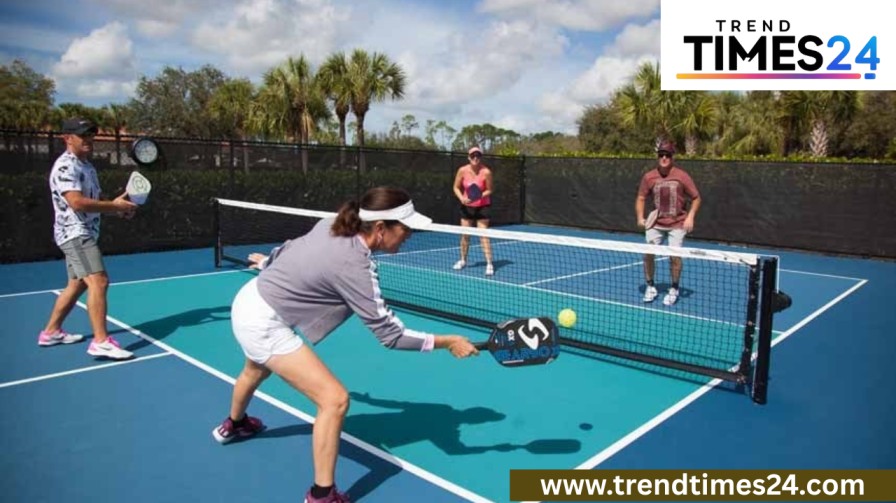
Pickleball has become one of the most popular and fastest growing sports globally because it is easy to learn, fun to play and suitable for players of all ages. It is a unique combination of tennis, badminton and table tennis, blending movement, strategy, coordination and social interaction. As a beginner, understanding how pickleball works, the rules to follow, the techniques to practice and the strategies to use makes the learning experience smooth and enjoyable. This extended guide provides a detailed explanation of everything beginners need, including rules, footwork, mindset, drills and improvement tips.
Pickleball is played on a small court with a net, a lightweight paddle and a perforated plastic ball. The smaller playing area makes the game less intimidating than tennis and far more manageable for new players. It is played in singles or doubles, with doubles being more common. The game is based on control, placement and timing rather than pure power, which allows beginners to become comfortable quickly. Understanding the foundation prepares you for confident gameplay.
A standard pickleball court includes important zones such as the non volley zone, often called the kitchen. This zone prevents players from smashing the ball too close to the net. Learning the boundaries of each section helps you play correctly. The baseline marks the back of the court, the sidelines mark the width, and the service boxes divide the court during serves. Becoming familiar with these areas ensures you understand what shots are legal, what mistakes to avoid and how to position yourself strategically.
Step 1 Understanding the Court Layout in Detail
The pickleball court is smaller than a tennis court, which encourages quick rallies and faster movement. As a beginner, walk around the court before playing to understand how far each area is from the net. Stand behind the baseline, step into the service box, and observe the kitchen line. Notice the distance from the kitchen to the net so you can avoid stepping inside it while volleying. This clear court awareness is the foundation for good positioning.
Step 2 Learning the Essential Equipment
Pickleball equipment is simple, yet each item affects performance. Paddles vary in weight, grip size and material. Lighter paddles offer control, while heavier paddles provide power. Beginners should choose a balanced paddle for easier handling. The pickleball ball is unique because of its holes, which help its stability and flight. Wearing comfortable sport shoes with good grip improves movement and reduces the chance of slipping. Being prepared with the right gear helps you focus on learning the game more effectively.
Step 3 Serving the Ball with Confidence
The serve is the first shot of every rally. In pickleball, the serve must be underhand, with the paddle below the waist when striking the ball. The ball must travel diagonally and land in the opponent’s service box. Beginners often struggle with accuracy, so practicing slow, controlled serves helps build consistency. Focus on placement rather than power. An accurate serve puts pressure on the opponent and starts the rally smoothly.
Step 4 Mastering the Two Bounce Rule
The two bounce rule is one of the most beginner friendly rules in pickleball. After the serve, the ball must bounce once on the receiving side, then once again on the serving side before either player can volley. This rule creates fair play, slows the game and gives players time to position themselves. Understanding this rule helps you avoid rushing, which is a common beginner mistake. Embrace the bounce to keep rallies controlled.
Step 5 Learning Basic Shots for Complete Control
Pickleball includes several shot types. The dink is one of the most important, known as a soft shot that lands in the kitchen. It keeps the ball low and forces your opponent to hit upward, giving you control of the rally. The volley lets you hit the ball before it bounces, but only outside the kitchen. Groundstrokes are essential for baseline returns. The drop shot helps transition from the baseline to the net in a controlled manner. Practicing each shot separately builds a well rounded skill set.
Step 6 Improving Footwork and Court Positioning
Footwork determines how well you can reach and return balls. Beginners should practice small, controlled steps rather than big movements. Light feet and balanced posture allow quicker reactions. Staying close to the kitchen line once the two bounce rule is complete gives you strategic advantage because most winning shots happen near the net. Avoid backing up unnecessarily, as distance reduces control and accuracy. Good footwork improves confidence and quickness.
Step 7 Understanding Scoring in Pickleball
The scoring system in pickleball is unique. Points can only be scored by the team that is serving. Games are typically played to eleven points, and the winning team must lead by at least two points. The score is called out in three parts: the server’s score, the receiver’s score and the server number in doubles. Knowing how to announce the score helps maintain flow and avoids confusion.
Step 8 Building Strategy as a Beginner
Strategy separates casual players from improving players. Beginners should aim to play at the kitchen line as often as possible because this is where the game is won. Soft shots into the kitchen can slow down aggressive opponents. Aiming at the opponent’s feet creates difficult returns. Mixing deep shots and short shots disrupts timing. In doubles, communicate clearly with your partner to avoid confusion about who covers which balls.
Step 9 Drills to Improve Consistency and Accuracy
Practicing drills helps strengthen muscle memory. Beginners can practice continuous dinks across the net without trying to win the point. This builds precision. Practicing drop shots helps you move smoothly from baseline to net. Practicing volleys without rushing helps develop soft hands and quick reactions. Serving drills improve aim and stability. Repetition builds confidence.
Step 10 Developing Mental Strength and Court Awareness
Pickleball requires physical and mental focus. Beginners often feel nervous, especially in the kitchen area. Learning to stay calm and observing the ball’s movement helps you make better choices. With practice, timing becomes natural. Playing with positive energy and patience speeds up improvement. Court awareness grows over time, making the game easier and more intuitive.
Step 11 Playing at Different Speeds
Pickleball includes both fast and slow moments. Learning when to speed up the ball and when to soften it gives you power over the rally. Beginners tend to hit the ball too hard. Playing softly increases accuracy and control. With time, you learn how to switch pace during rallies to keep opponents guessing.
Step 12 Practicing Regularly for Growth
Consistent practice is the key to improvement. Short practice sessions focused on technique help build a solid foundation. Playing with different people exposes you to various styles and speeds. The more experience you gain, the faster your progress becomes.
Step 13 Understanding Pickleball Etiquette
Pickleball is known for its friendly community. Beginners should follow common etiquette such as calling balls fairly, respecting other players and maintaining a positive attitude. Politeness creates a fun and supportive environment that encourages everyone to improve.
Final Thought
Pickleball is a fun, exciting and social sport that offers fitness, coordination and confidence. With simple rules, beginner friendly techniques and accessible equipment, anyone can begin playing easily. By practicing footwork, mastering shots, learning strategies and building familiarity with the court, beginners can quickly grow into skilled players. Pickleball offers connection, competition and enjoyment in one complete experience. With patience and consistent practice, every player can enjoy long, exciting rallies and improve naturally over time.