
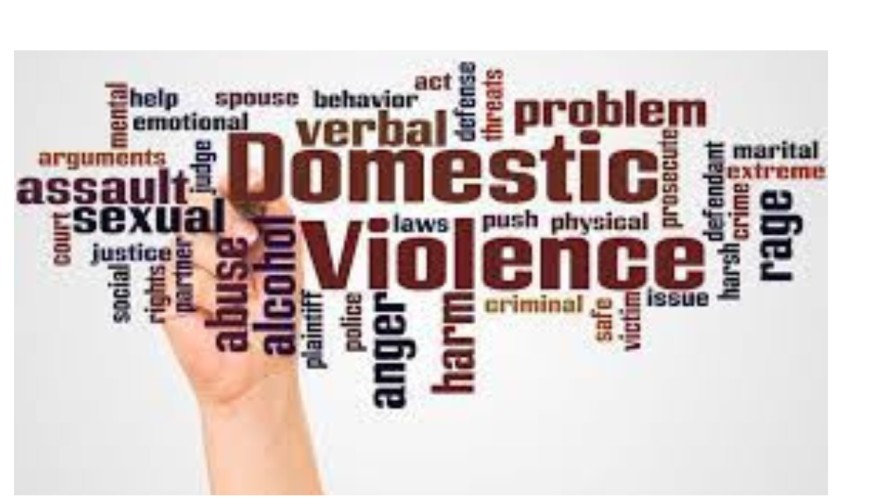
Domestic Violence on Women: Understanding the Reality, Impact, and the Path Toward Safety
Domestic violence on women is one of the most widespread violations of human rights in the world today. It affects women of all ages, backgrounds, and cultures, regardless of education or economic status. Although many societies have progressed in terms of gender equality, domestic violence remains a silent epidemic happening inside homes behind closed doors. It continues because many women feel unsafe speaking up, depend emotionally or financially on the abuser, or fear judgment from society. Breaking this silence is the first step toward protecting women and creating a safer world.
Domestic violence is not limited to physical harm. It includes emotional abuse, verbal attacks, financial control, digital threats, and psychological manipulation. Many women experience gaslighting, intimidation, isolation, and constant monitoring, which damages their mental peace and independence. These non-physical forms of abuse often go unnoticed because there are no visible scars, yet their emotional impact lasts much longer than physical injuries.
One of the main reasons domestic violence continues is the imbalance of power within relationships and families. In many cultures, women are expected to be obedient and tolerate everything silently. This cultural expectation becomes a weapon for abusers who take advantage of a woman’s fear of bringing shame to the family. Many women stay in abusive relationships because they worry about their children, lack financial stability, or fear being judged by their communities. This emotional pressure traps them even when they know they deserve better.
The impact of domestic violence on women is deep and long-lasting. Physical injuries may heal, but emotional wounds often remain for years. Women exposed to ongoing violence suffer from anxiety, depression, panic attacks, and severe stress. They lose confidence, stop dreaming about their future, and begin to believe they are responsible for the abuse. This emotional breakdown affects their work, relationships, parenting abilities, and overall well-being. It is not just a personal issue; it is a social concern that affects entire communities.
Domestic violence also affects children who witness it at home. These children grow up with fear, confusion, and emotional trauma. They may become withdrawn, aggressive, or insecure. Many studies show that children who grow up in violent households are more likely to experience relationship issues and emotional struggles in adulthood. Protecting women is also a way of protecting future generations from repeating this cycle.
Financial dependency is another major reason women stay silent. Many abusers restrict access to money, control expenses, and force women to ask for even basic needs. This financial control makes it difficult for women to leave the household, especially when they have children. Some women also face social isolation when abusers prevent them from meeting friends, working, or maintaining family connections. This isolation cuts off all support systems, leaving them vulnerable.
Technology has introduced a new form of domestic abuse. Many women face online stalking, constant phone checking, password theft, threatening messages, and social media manipulation from their own partners. These digital forms of abuse create continuous fear and make women feel trapped even when they are physically away from the abuser. Technology should be a tool for empowerment, not a weapon used to exert control.
Preventing domestic violence requires awareness, education, and strong support systems. Women must be encouraged to recognize abusive patterns early and know that they have the right to safety and respect. Families and communities should create safe spaces where women feel comfortable to speak up. Schools, workplaces, and online platforms must offer resources, workshops, and clear guidelines to protect women and promote equality.
Legal protection plays an important role in ending domestic violence. Many countries provide strong laws that allow women to file complaints, seek restraining orders, stay in their homes safely, and receive financial assistance. Women should be aware of helplines, support shelters, and NGOs that offer legal guidance, counselling, and emergency rescue. These services are lifelines that help women rebuild their lives with dignity and confidence.
Support from friends and family can also make a big difference. Women who feel believed and supported are more likely to seek help and take steps toward safety. Society must shift from questioning women to listening to them without judgment. Every conversation, every piece of awareness, and every supportive action helps break the cycle of violence.
Domestic violence on women is not just a private matter; it is a global crisis that affects health, stability, and human dignity. Ending it requires collective responsibility and continuous awareness. Every woman deserves a life of peace, respect, and freedom. She deserves to be heard, believed, and protected. When women are safe, families become stronger and societies progress with confidence.
Empowering women, enforcing laws, and encouraging open dialogue are the keys to creating a world where domestic violence no longer exists. Understanding the issue is the first step, but taking action is what brings real change. Women must know that they are not alone, and help is available. A safe life is their right, and no one has the power to take that away.