
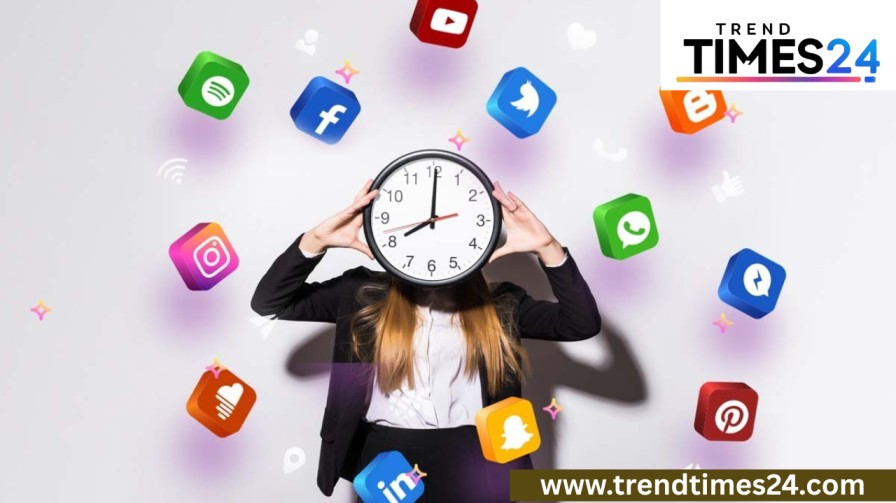
The best time to post on social media is one of the most searched topics among creators, influencers, brands, and marketers. Everyone wants to know when they should publish their content so that it receives the highest reach, engagement, and visibility. Although there is no single perfect time that works for every account, there are clear patterns that can help users understand when their audience is most active. Posting at the right time makes a major difference in how a video, photo, or message performs. This article explains how social media timing works, why it matters, and what times generally produce the best results.
Social media platforms are built on user activity. The algorithm shows posts to users when they are active and scrolling. If a user posts content when most followers are offline, the content may receive lower engagement. However, when content is posted during peak hours, it has a stronger chance of being shown to more people. This is because the algorithm sees quick engagement and pushes the content further.
The best time to post depends on user behavior. Most people follow predictable daily routines. They check their phones after waking up, during lunch breaks, after school or work, and before sleeping. These natural patterns create strong engagement windows. For example many people scroll social media in the morning because they want updates for the day. Others check again in the evening when relaxing at home. Understanding these patterns helps creators post at the right moment.
Another factor that affects timing is the type of platform. Each platform has different audience habits. TikTok users generally scroll for entertainment at night because the platform offers short videos that people enjoy after a long day. Instagram users check the platform throughout the day, especially during lunch hours and early evenings. Facebook users often log in during the morning and in the late afternoon. YouTube viewers watch longer videos in the evening or on weekends. These patterns show that the best time to post varies across platforms.
Time zones also play an important role. A creator with an international audience must consider when most followers are awake. Posting at a time that suits only one region might reduce engagement from others. For example if a creator has many followers in the United States and Asia, they must find overlapping active hours. This might be morning in one region and evening in another. Creators with worldwide audiences often test different times to see what works best.
Social media timing also depends on the type of content. Informational content may perform better in the morning when users want updates. Entertainment content may gain traction in the evening when users want to relax. Lifestyle content may work well in the afternoon when users look for inspiration. Educational videos often perform well on weekends when users have more time. Matching the content type with the time of day increases the chances of a post performing well.
Audience age groups also influence the best time to post. Younger audiences are active in the late afternoon and late evening. They scroll social media after school or college. Working adults are active during lunch hours and in the evening after work. Older audiences may check social media earlier in the day. Understanding the age of your followers helps determine when they engage the most.
The day of the week also matters. Mondays are often slower because people are busy with the start of the week. Midweek days show strong engagement because routines stabilize. Fridays are active because people look for updates before the weekend. Weekends have varied activity depending on the platform. Some platforms see high weekend engagement, while others drop because users spend time offline. Testing weekday and weekend schedules helps identify consistent patterns.
Analytics are one of the most useful tools for discovering the best time to post. Every major platform provides insights that show when followers are most active. These insights help creators understand patterns specific to their audience. If analytics show that most followers are active at eight in the evening, that becomes an ideal posting time. Analytics also show which posts perform well and at what time they were uploaded. This information helps refine future decisions.
Creators should also pay attention to their own posting history. Reviewing which posts received high engagement can reveal patterns. If several top performing posts were published in the afternoon, it may indicate that the audience prefers that time. Observing individual performance is often more useful than following general timing guidelines.
Consistency is another powerful factor. Posting at the same time each day trains the audience to expect your content. Over time viewers begin to check your profile around your usual posting time. Consistency also signals to the algorithm that the creator is active, which increases the chance of being recommended. Many successful creators maintain a fixed posting schedule because it supports long term growth.
It is also helpful to post slightly before the peak time instead of during or after it. For example if the audience is most active at seven in the evening, posting at six thirty gives the algorithm enough time to push the content before peak activity begins. This increases early engagement and helps the post reach a wider audience as more users come online. Posting too late may reduce early engagement and limit reach.
Creators must also consider trends. When a topic is trending, the best time to post becomes immediately. Trending content works differently because users actively search for it. The algorithm boosts content related to rising topics, even if it is posted outside the usual peak hours. During trends the speed of posting is more important than timing. Reacting early creates an advantage.
The best time to post may change during seasons. During holidays users have different routines. During summer breaks students may be active at different times. During winter seasons users may spend more time online. Events, festivals, school schedules, and vacations influence user activity. Monitoring seasonal patterns helps creators adjust their strategy at the right time.
Different industries also experience different engagement times. Fitness content may perform better in the morning when users think about health routines. Food content may perform well in the afternoon or evening when people plan meals. Finance content may work best during work hours. Entertainment content may perform better at night. Matching industry timing with audience behavior increases performance.
Posting multiple times a day helps creators test different time slots. By analyzing which posts perform best, creators can identify the most effective posting window. Over a period of weeks or months patterns become clear. Once an ideal time is discovered, it becomes part of the long term posting schedule.
Time of posting matters, but the quality of content matters even more. If the content is engaging, the algorithm may push it at any time of the day. However, combining strong content with the right timing creates the best results. The two factors work together to increase reach.
Engagement during the first hour of posting is very important. Platforms like Instagram, TikTok, and YouTube track early likes, comments, shares, and watch time. Posting at a time when followers are active increases early engagement. This initial boost tells the algorithm that the content is worth promoting. As a result it reaches a wider audience.
Creators should avoid posting during hours when people are usually busy. Early mornings, late nights, and work hours may produce lower results. However this depends on the target audience. Some audiences may be active during unusual hours. For example international audiences may follow different routines. Night shift workers may check social media late at night. Testing helps identify unique patterns.
In summary the best time to post on social media is based on multiple factors. These include user behavior, platform type, audience age, content category, time zones, trends, season, and posting history. Understanding these elements helps creators select the right moment. Posting at the correct time improves reach, visibility, engagement, and overall performance.
Creators who use analytics, observe patterns, test different times, and stay consistent usually achieve better results. Posting during peak activity hours increases the chance of appearing on the For You Page, Explore Page, or Home Feed. This leads to faster growth and stronger audience connection.
In conclusion the best time to post on social media is a combination of strategy, observation, and testing. There is no universal perfect time, but there are proven patterns that guide creators. By understanding their audience and analyzing engagement, creators can find the ideal posting window. With the right timing and strong content, any creator can improve their performance and grow successfully across platforms.