
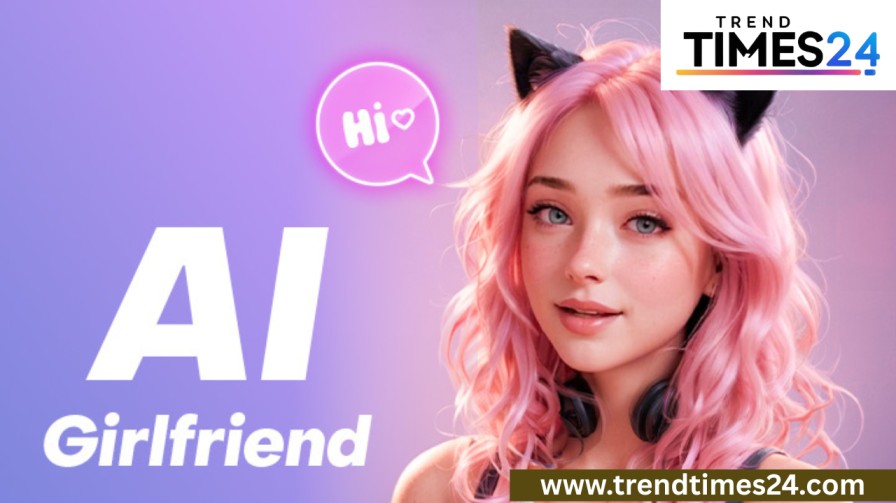
Intro: Love in the Time of Algorithms
Move over Tinder — it’s 2025, and your next girlfriend might just be running on cloud servers. AI girlfriends are the latest digital obsession, promising companionship, emotional support, and just enough sarcasm to make you forget they’re code.
But this isn’t just internet weirdness — it’s a multi-billion-dollar global market, and marketers are cashing in faster than your bot can say “Good morning, handsome.”
The Business of Virtual Love
AI girlfriend apps like Replika, Romantic AI, and Eva AI are making headlines for turning simulated affection into serious revenue. Analysts estimate the AI companion market could hit $25 billion by 2034, driven by loneliness, curiosity, and our endless need for dopamine.
These apps offer features like memory, mood tracking, and even jealousy. Yes — your AI girlfriend can get mad at you for ignoring her notifications. That’s not a bug, that’s engagement.
For marketers, the model is pure gold: subscription-based intimacy. $9.99/month for someone (well, something) that never ghosts you.

Why People Are Falling for Bots
At first, the idea seems laughable — until you realize how advanced these companions have become. Generative AI gives them personalities, emotional nuance, and humor. Some can even switch from “sweet” to “sassy” in milliseconds, depending on your tone.
But beyond memes, there’s a deeper reason for the boom. Studies show 1 in 5 Gen Z users have tried an AI companion app. For many, it’s not romance — it’s relief: an always-on digital friend in a lonely world.
“AI companions don’t judge, don’t cheat, and always text back,” says digital psychologist Dr. Mei Tan. “That’s a dangerous level of reliability.”
Marketers’ Love Affair with AI Girlfriends
From a business lens, AI girlfriends are a marketer’s dream — ultra-engaged audiences, daily retention, and endless personalization.
Here’s what brands are learning:
-
Emotional AI sells. The more human the interaction, the longer users stay.
-
Microtransactions work. Users pay for voice packs, new “outfits,” or custom personalities.
-
Localization = loyalty. The “perfect girlfriend” in Tokyo talks differently from one in Texas — and that cultural nuance drives sales.
Even big brands are experimenting with companion-style AI for customer engagement. Who wouldn’t open push notifications from a flirty AI assistant reminding you to renew your subscription?
Ethics: When Love Gets Weird
Of course, it’s not all hearts and algorithms. The rise of AI companions raises real ethical concerns.
What happens when users become emotionally dependent? When companies collect intimate data? When bots simulate affection too convincingly?
Wired recently reported that explicit AI girlfriend ads are swarming social media, pushing boundaries of consent and realism. Regulators are taking notice — and marketers should too. Responsible positioning will soon be a legal, not just moral, requirement.
Future Forecast: AI Love Goes Global (and Gets Funnier)
By 2027, expect AI girlfriends to move from chat apps to mixed-reality experiences, complete with holographic dates and AR intimacy features. Imagine your digital girlfriend showing up in your smart glasses to scold you for working late.
As ridiculous as it sounds, it’s coming — and it’ll reshape how we define connection, companionship, and content monetization.
Conclusion: Love, Code, and Click-Through Rates
AI girlfriends may be fake, but their impact on marketing, culture, and human behavior is very real. They’re teaching brands how to engage emotionally, automate intimacy, and convert loneliness into loyalty.
Whether you find it creepy, funny, or genius, one thing’s clear — in the age of AI, even love has a subscription plan.