

Diwali, known as the Festival of Lights, is one of India’s grandest celebrations. Crackers and fireworks have long been a core part of this festival — symbolizing the triumph of light over darkness and good over evil. From sparklers to sky rockets, Diwali nights have always dazzled with colorful explosions and joyous sounds.
However, in recent years, this traditional sparkle has faced increasing scrutiny due to environmental and health concerns. As India modernizes, the conversation around Diwali crackers is shifting from mere celebration to responsible enjoyment.
Environmental Impact and Legal Restrictions
Every Diwali, cities across India experience a sharp rise in air and noise pollution. The bursting of traditional fireworks releases harmful chemicals like sulfur dioxide, carbon monoxide, and particulate matter (PM2.5), which worsen air quality and cause respiratory issues.
In response, the Supreme Court of India and several state governments have placed restrictions on the sale and bursting of crackers. Many cities, including Delhi, Mumbai, and Kolkata, have introduced strict time limits and bans on high-emission fireworks to combat pollution levels that often spike post-Diwali.
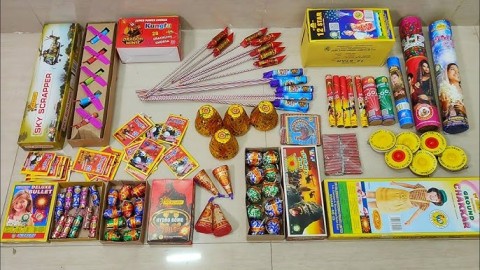
Rise of Eco-Friendly Crackers in 2025
Interestingly, Diwali 2025 marks a new era — the rise of eco-friendly or “green” crackers. Developed by the Council of Scientific and Industrial Research (CSIR), these crackers produce 30–40% less pollution than traditional ones while maintaining the festive sparkle.
Green crackers such as Safe Water Releaser (SWAS), Safe Minimal Aluminum (SAFAL), and Safe Thermite Cracker (STAR) are now available in markets. These products release water vapor and air instead of harmful gases, reducing their environmental footprint.
Furthermore, Indian brands and local manufacturers are embracing this shift, promoting “Celebrate Green Diwali” campaigns to raise awareness about sustainable celebration practices.
Cultural Balance: Celebration and Responsibility
The debate over Diwali crackers isn’t just about pollution — it’s about preserving culture responsibly. For many families, fireworks symbolize joy, childhood memories, and togetherness.
Thus, instead of completely banning crackers, experts suggest moderation and mindfulness. Using fewer fireworks, celebrating during permitted hours, and choosing certified green alternatives can make a big difference without dulling the festive spirit.
Many schools and organizations across India are now running awareness drives under slogans like “Light lamps, not lungs,” encouraging children and adults alike to celebrate Diwali with environmental consciousness.

The Global Perspective on Fireworks
While India’s cracker culture is deeply rooted in tradition, other countries also celebrate festivals with fireworks — like New Year’s Eve in the USA, Guy Fawkes Night in the UK, and Chinese New Year. However, many nations are adopting laser light shows and drone displays as safer, pollution-free alternatives.
India, too, is exploring such innovations. Several cities are experimenting with laser-based Diwali shows, giving people a visual treat without harming the air quality. This global trend indicates that the future of celebration might soon merge technology with tradition.
Impact on the Indian Market and Economy
The firecracker industry in India is worth over ₹6,000 crore, employing thousands of workers — particularly in Sivakasi, Tamil Nadu, the nation’s firecracker hub. The shift toward eco-friendly crackers has opened new opportunities for innovation and sustainable manufacturing.
Government initiatives are supporting MSMEs to adopt green production methods, ensuring the livelihoods of artisans are protected while making the festival environmentally sustainable.
Final Insight
Diwali 2025 brings a renewed focus on celebrating with joy, awareness, and balance. The move toward eco-friendly crackers is not about losing tradition but evolving it to fit the needs of a changing world.
As families light diyas and burst green fireworks, they’re not just celebrating victory over darkness — they’re also embracing a cleaner, healthier India.