Artificial intelligence (AI) is dramatically transforming healthcare, and I recently experienced this firsthand. My health problem was diagnosed by AI technology before my doctor even identified it. This personal encounter opened my eyes to the powerful impact AI can have on early diagnosis and improving health outcomes. In this article, I will share my experience, explain how AI outperformed traditional methods, and explore the implications for the future of healthcare.
The moment I felt something was wrong, I decided to try an AI-powered symptom checker app recommended by a friend. I was skeptical at first, but intrigued by the promise of cutting-edge technology analyzing my symptoms comprehensively. After inputting various details about my condition, the AI analyzed huge datasets, medical literature, and previous cases to pinpoint a potential diagnosis.
Within minutes, the AI suggested a diagnosis that lined up perfectly with my symptoms, something my doctor hadn’t identified during initial visits. It recommended further tests that confirmed the AI’s suspicion. This early and accurate diagnosis allowed me to begin treatment promptly, preventing the problem from escalating.
What makes AI so effective is its ability to process vast amounts of data instantly. Human doctors rely on experience and knowledge, but AI harnesses machine learning algorithms trained on millions of cases worldwide. This allows AI to detect subtle patterns and correlations that might go unnoticed, especially in rare or complex conditions.
Moreover, AI systems are continually updated with the latest medical research, ensuring they consider any new discoveries. Unlike a single doctor’s viewpoint, AI aggregates insights from diverse experts globally. In my case, this meant access to the most up-to-date, evidence-based information for diagnosing my health issue accurately.
While AI doesn’t replace doctors, it serves as a valuable tool that supports medical professionals and patients. My experience highlighted how AI can act as a second opinion, offering peace of mind and reducing diagnostic errors. When I finally saw my doctor with the AI’s analysis, it sped up the consultation process. The doctor acknowledged AI’s input and confirmed the diagnosis quickly, showing how human expertise and AI collaboration can enhance healthcare delivery.
This technology also empowers patients by providing instant insights outside clinic hours. Many people delay seeing doctors due to accessibility challenges or mild symptoms. AI apps bridge that gap, encouraging timely medical advice and intervention.
However, AI health diagnosis has challenges too. Privacy and data security are paramount because these systems require personal health information. Also, AI diagnoses should be interpreted carefully and confirmed by medical professionals to avoid misdiagnosis or overreliance on technology.
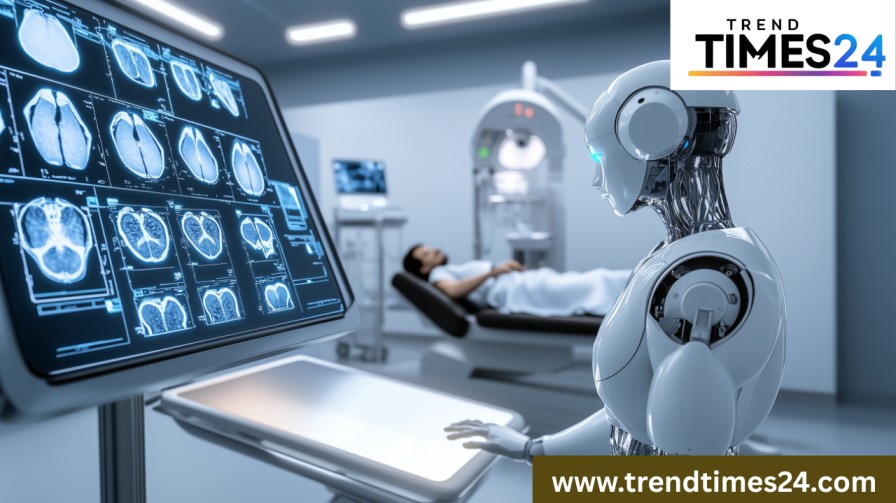
Looking forward, AI will become increasingly integrated into routine healthcare. Innovations like wearable health monitors, AI-driven imaging analysis, and personalized treatment recommendations will make care faster, more precise, and patient-centered. My experience reinforced my belief that AI is a powerful ally in health management.
In conclusion, AI diagnosed my health problem before my doctor did by leveraging advanced data analysis, comprehensive medical knowledge, and cutting-edge algorithms. This early detection enabled timely treatment and better outcomes, showcasing AI’s potential to revolutionize healthcare. For anyone curious about AI’s role in medicine, my story offers hope and insight into a future where artificial intelligence and human care work hand in hand to improve health worldwide.