Work Has Changed Forever
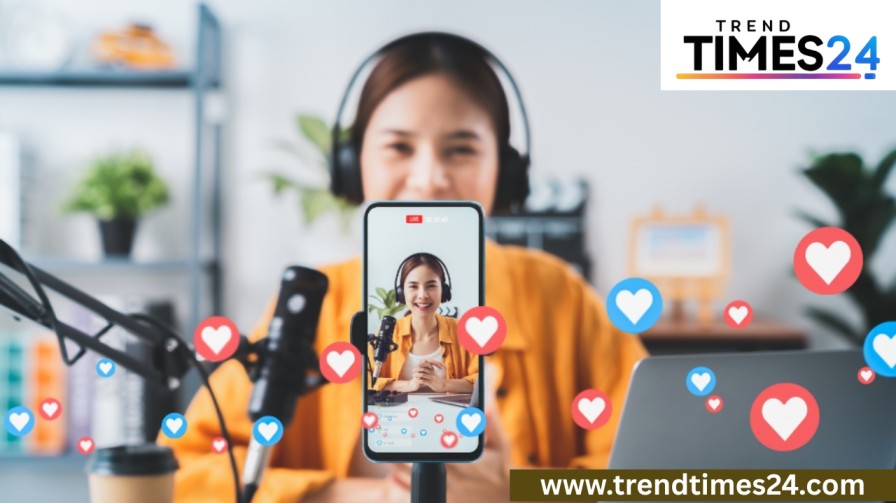
Once, a “job” meant an office and a boss. Today, it can mean a camera, a laptop, and an internet connection. The creator economy has turned creativity into currency, giving millions of people the power to make a living from what they love.
1. What Is the Creator Economy?
The creator economy is the ecosystem of influencers, vloggers, designers, podcasters, writers, and freelancers who earn directly from audiences instead of employers. It’s powered by platforms like YouTube, TikTok, Patreon, and Substack — each giving tools for creators to publish, grow, and monetize their work.
2. How Big Is It?
Analysts estimate more than 300 million people worldwide now participate in the creator economy in some form, and the sector’s value has surpassed $250 billion. It’s not a niche — it’s the new mainstream job market.
3. Multiple Income Streams
Creators earn through ads, brand deals, affiliate links, merchandise, courses, and fan memberships. Unlike traditional employment, income is diversified — more streams mean more stability. Even small “micro-influencers” can build full-time careers with loyal audiences.
4. The Power of Personal Branding
Every creator is a brand. Consistency, storytelling, and authenticity matter more than follower count. Gen Z and millennials understand that a strong personal brand opens doors to collaborations, product lines, and long-term influence.
5. Platforms Fueling the Boom
- YouTube: Ads, memberships, and long-form storytelling.
- TikTok: Short-form virality and brand partnerships.
- Instagram: Visual identity, Reels, and affiliate marketing.
- Patreon / Substack: Direct fan support and subscription models.
6. Why People Are Choosing Creation Over 9 to 5
Freedom. Creators design their own schedules, choose collaborations, and express individuality. The pandemic accelerated this shift — remote work proved independence possible, and digital tools made it profitable.
7. Skills Behind the Camera
Success isn’t luck; it’s a mix of storytelling, editing, community building, marketing, and business management. Many creators run full micro-companies: producing content, handling brand deals, and managing analytics themselves.
8. Brands Need Creators
Advertising is moving from billboards to people. Brands now invest in creators who can tell stories that audiences trust. Instead of one-way marketing, it’s a conversation — authentic, personal, and measurable.
9. Challenges in the Creator Economy
Income instability, burnout, and algorithm changes are constant concerns. The most successful creators treat it as a business — planning budgets, tracking metrics, and diversifying revenue.
10. The Future: Decentralized Work and Digital Ownership
Web3 and AI tools are creating new opportunities: NFTs for digital art, blockchain royalties, and AI assistants for content production. The line between “creator” and “company” is disappearing — everyone can be both.
Conclusion: Create, Don’t Wait
The creator economy isn’t a trend; it’s a transformation. Anyone with a skill, story, or perspective can build a brand and earn online. The internet has democratized opportunity — and creativity is the new resume.